

The Lighthouse: Guiding You Out of the Storm
Entry Point and Orientation
Type B Neuroimmune is an interlocked brain–immune–autonomic state that develops under cumulative environmental, infectious, and relational‑trauma load.
Instead of creating just one diagnosis (mold, Lyme, POTS, MCAS, cPTSD), this load drives a characteristic systems-based‑pattern: inflamed, under‑oxygenated, energy‑poor, and hyper‑reactive.
The Lighthouse is your entry point and orientation to Type B Neuroimmune Medicine (TBNIM): a place to learn this map, see your own pattern, and stop treating your body as a collection of disconnected labels. To get started access our lab panels through Fullscript Journeys.
Who The Lighthouse is for

The Lighthouse is for people who recognize themselves in the Type B description and are thinking:
“I’m not ready for 1:1 consulting, but I need a map and language for what’s happening.”
“I want to understand my labs and my pattern, not just collect more protocols.”
“I’ve done mold / Lyme / MCAS / trauma work, but nothing has put all of it together in a way that matches my actual experience.”
“I want doctor‑level thinking about complex chronic illness, in a format I can access.”
The Lighthouse is your entry point.
The Six Panels
The Lighthouse allows you to see your system through six core panels. Here, you’re learning to see your own deeper pattern and where you are on the map.
This panels looks at how hot the system is. It evaluates your immune responses and inflammation status.
Core Inflammation in the Body, Gut, and Brain
This panel evaluates how well are you moving and using oxygen and if your cells have enough metabolic capacity to make energy.
Oxygen & Metabolism / Mitochondrial Function

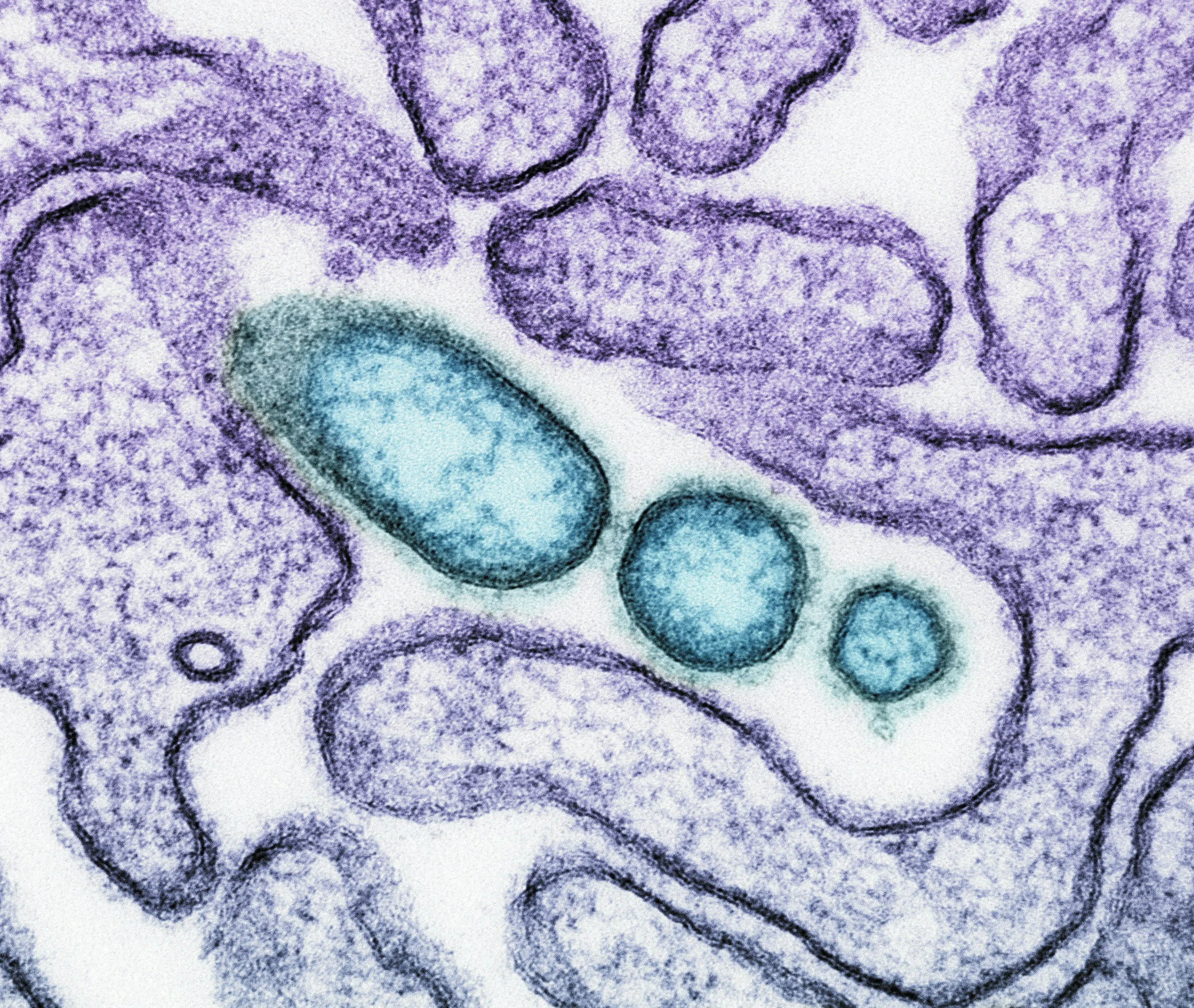
This panel asks if you have the basic nutrient reserves (minerals, vitamins, methylation cofactors) sufficient to buffer, repair, and detoxify.
Nutrient Reserve & Methylation Hints
Liver, Bile, Pancreas & Kidney Load
This panel looks at well you are detoxing and how strained your clearance and digestion systems are as they process hormones, toxins, and metabolic waste.
Post-Infectious Load & Microbiome Support
This panel helps to evaluate the residual burden from chronic or past infections—an assessment of your multi-parasitic (bacteria, virus, protozoa, fungi and helminth) load.
Brain, Stress & Regulatory Systems
This panel looks to see how stressed your brain and neuroendocrine systems—HPA axis (Hypothalamic Pituitary Adrenal axis) and regulatory peptides—are adapting—or failing to adapt to the 3 loads .



The Jupiter Approach Labs at The Lighthouse level
You do not need complex omics or several-thousand‑dollar panels to start seeing your Type B Neuroimmune pattern. Instead, we focus on introducing you to the six key physiologic domains and their importance in understanding and helping your Type B Neuroimmune system.
The Lighthouse gives you access to:
highly curated lab panels from Dr. V’s research, training, and work with clients (and herself) dealing with biotoxin, chronic infection and complex relational trauma load.
The Lighthouse is where you learn to map and see your own pattern, and stop treating your body as a collection of confusing disconnected labels. You may have noticed that some popular tests are not included in our panels. Below is a discussion on that topic.
Labs we don’t start with (and why)
In The Lighthouse, we focus on high‑signal labs—tests that tell us where you are in the Type B Neuroimmune arc (inflammation, oxygen/energy, nutrient reserve, detox strain, post‑infection burden, brain and neuroendocrine stress).
There are several popular test categories I don’t include in The Lighthouse:
Specific immune markers
IL-6 and TNF-ɑ while interesting in research, are clinically not very informative or helpful
More advanced immune markers like CD-57, CD4:CD8, IFN-y Interferon Gamma, Tregs (Regulatory T cells)—require more nuanced interpretation
Heavy metals panels
These are useful at a specific stage of recovery; as a first move they are often high‑cost and low‑yield.
For Type B bodies, jumping straight to metal‑focused detox tends to overload already strained clearance systems (liver, bile, kidneys, mitochondria) before we’ve built any buffer/ resilience.
Lyme immunoblot / expanded tick‑borne panels
I do not ignore Lyme or coinfections, but the testing of these infections are fraught with complexity. Utilizing these as a first step often add cost, confusion, without changing early‑phase strategies.
These tests require an experienced clinician to interpret as the testing technologies and variables of testing are many and complex.
In Type B physiology, the post‑infectious pattern across multiple microbes matters more initially than one organism’s name.
Comprehensive thyroid and sex‑hormone panels
Thyroid and sex hormones absolutely matter, but in Type B Neuroimmune states they are often secondary adapters to deeper brain‑immune‑autonomic strain.
Early on, large hormone panels can be misleading (“treat the lab number”) and pull focus away from calming neuroinflammation, autonomics, and energy production.
Gut microbiome / stool omics panels
Advanced microbiome testing is interesting, but for most Type B patients it is a late‑phase refinement tool, not a starting point.
When the system is highly reactive, big antimicrobial or microbiome‑rebuild protocols based on these tests often overshoot capacity and worsen flares.
Unvalidated proprietary tests (hair tissue mineral analysis HTMA, unpublished transcriptomics panels, etc.)
I don’t use these as front‑line tools. They tend to be expensive, hard to interpret in context, and rarely change early‑phase decisions for Type B patients.
In The Lighthouse, we start with higher‑signal labs that tell us:
How inflamed you are
How well you move and use oxygen and produce energy
What your basic nutrient and detox reserves look like
How strained your clearance organs are
Indications of your chronic infection load
How your brain and stress systems are adapting
The more complex panels—metals, full infection work‑ups, detailed hormones, microbiome and other omics—are reserved for later‑phase work inside The North Star, when your system has more buffer and we have a clearer map.
Why you don’t see supplement protocols in The Lighthouse

You may notice The Lighthouse does not include full supplement protocols or shopping lists.
That is deliberate.
For Type B Neuroimmune physiology, context, mapping, and pacing come before products. Publishing large supplement stacks at this level would invite exactly what tends to harm Type B systems:
Too much, too soon, across multiple panels
Aggressive antimicrobial or detox work without buffering
More “healing crisis” (which are often actually autonomic and mast‑cell storms.)
In The Lighthouse, you begin to learn the map and see where you are on it.
The full, structured supplement panels—by category, with dosing logic and pacing—live inside The Safe Harbor alongside monthly classes and teaching. They also live within The North Star in individual consulting, where they can be used in relationship to the framework with a focus on safety for Type B systems.
Answer questions associated with each panel to assess which one your body needs. You may want to investigate one at a time, a few, or all six now.
-
Do you have ongoing pain, tenderness, or “flu‑ish” heaviness in your body that doesn’t fully resolve with rest?
Do you notice brain fog, word‑finding issues, or slowed thinking, especially when your physical symptoms flare?
Do you have recurrent gut symptoms (bloating, loose stools/constipation, pain, nausea) that worsen with stress, exposures, or overexertion?
Do you experience head pressure, headaches, or “inflamed brain” days where your whole system feels hot/on fire inside, even if your temperature is normal?
-
Do you feel disproportionately wiped out by light activity (a short walk, a phone call, a grocery trip) compared to what you “should” be able to tolerate?
Do you have post‑exertional crashes—you feel somewhat OK during an activity, then significantly worse 12–48 hours later?
Do you often feel air‑hunger, shallow breathing, or the sense that you “can’t get a full breath,” even if your oxygen saturation is normal?
Do you notice cold hands/feet, low body temperature, or feeling chilled easily, especially when your energy is lowest?
-
Do you have brittle nails, hair changes, or poor wound healing, suggesting your body struggles to repair tissue?
Do you feel worse (wired, headachy, anxious, or exhausted) when you try to take standard doses of B‑complex, methylfolate, or multivitamins?
Do you experience frequent lightheadedness, “hollow” fatigue, or feeling like your tank is empty even on days you are not especially inflamed?
Has bloodwork ever shown borderline or low levels of iron/ferritin, B12, folate, or other core nutrients, despite eating reasonably well?
-
Do you react strongly to medications or supplements, needing a fraction of standard doses or having side effects others don’t?
Do you have nausea, right‑upper‑quadrant heaviness, floating stools, or feeling worse after fatty meals, which can suggest bile and liver strain?
Do you feel toxic, headachy, or flu‑ish after exposures (wildfire smoke, chemical smells, new buildings, travel) that others tolerate?
Have you noticed worsening symptoms when you push aggressive detox, binders, or “cleanse” protocols?
-
Do you have a history of Lyme, coinfections, EBV/mono, Long‑COVID, recurrent sinus or respiratory infections, or chronic GI infections?
Do your symptoms flare with every viral exposure or small infection, and take a long time to settle back down?
Do you experience alternating bowel habits, chronic bloating, or food sensitivities that expanded over time after infections or antibiotics?
Do you notice that probiotics, antimicrobial herbs, or antibiotics can trigger strong die‑off‑type or mast‑cell‑type reactions in your system?
-
Do you live with chronic insomnia, non‑restorative sleep, or a 2–4 a.m. “wired but tired” window, despite exhaustion?
Do you experience palpitations, sudden surges of anxiety, temperature swings, or blood‑pressure swings, especially in response to minor stressors?
Do you notice marked sensitivity to noise, light, social input, or conflict, where relatively small stimuli feel like an overload to your brain?
Have you had long‑standing patterns of burnout, hormonal disruption (PMS/PMDD, perimenopause chaos, low libido), or feeling “stuck on high alert” even when life–4 a.m. “wired but tired” window**, despite exhaustion?
Do you experience palpitations, sudden surges of anxiety, temperature swings, or blood‑pressure swings, especially in response to minor stressors?
Do you notice marked sensitivity to noise, light, social input, or conflict, where relatively small stimuli feel like an overload to your brain?
Have you had long‑standing patterns of burnout, hormonal disruption (PMS/PMDD, perimenopause chaos, low libido), or feeling “stuck on high alert” even when life is relatively stable?